
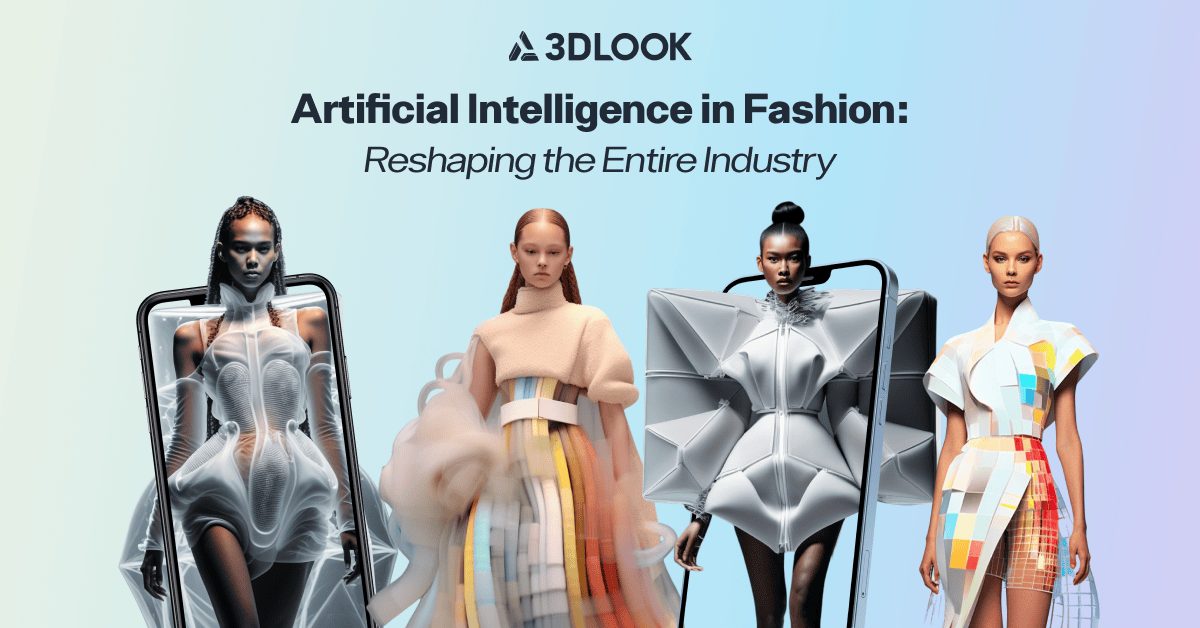
Automation of Data Analysis in the Fashion Industry: Revolutionizing Trends with AI
Estimated reading time: 7 minutes
Key Takeaways
- AI agents perform autonomous tasks driven by data analysis in fashion.
- Automation enhances brand efficiency and improves accuracy, essential for staying competitive.
- The integration of AI brings both opportunities and challenges, particularly regarding data ethics.
- Prominent brands like Zara and H&M have transformed operations using AI.
- Understanding consumer behavior through data is crucial for tailoring marketing strategies.
Table of contents
The landscape of fashion is evolving rapidly, with the automation of data analysis playing a substantial role in its transformation. This blog explores how AI is impacting the fashion industry, focusing on the role of AI agents in managing and interpreting data.
Understanding AI Agents
What Are AI Agents?
AI agents are intelligent systems designed to perform tasks autonomously based on data inputs. They utilize advanced algorithms to analyze vast amounts of data, allowing them to make informed decisions.
Types of AI Agents in Fashion
Different AI agents serve specific functions within the fashion industry. Here are two common types:
- Machine Learning (ML) Algorithms: Vital for predicting trends, these algorithms analyze data from sales and social media to gauge consumer preferences. For more on this, read more about AI Agents in Marketing here.
- Chatbots: These engage customers by providing instant responses and gathering insights about preferences.
How AI Agents Operate
- Processing Data Inputs: They gather and analyze data from multiple sources.
- Utilizing Algorithms: These identify patterns and consumer behaviors, aiding in targeted marketing strategies.
The Need for Automation in Data Analysis
Challenges in Fashion Data Management
- Vast amounts of consumer data collected from sources like social media and e-commerce.
- Rapidly changing market trends that complicate data management.
Importance of Automating Data Analysis
- Improved Efficiency: Automation processes large volumes of data quickly.
- Enhanced Accuracy: Minimizes human error, leading to reliable data interpretation.
Traditional Methods vs. AI-Driven Solutions
- Longer Processing Times: Manual analysis is time-consuming.
- Limited Interpretative Capabilities: Human analysis may overlook significant trends.
- Greater Susceptibility to Inaccuracies: Human errors can affect outcomes.
For further insights, explore how Multi-Agent Systems revolutionize operations here.
Applications of AI in Fashion
Trend Analysis
AI predicts upcoming styles and consumer interests, helping brands maintain a competitive edge.
Consumer Behavior Insights
AI analyzes purchasing patterns, allowing brands to tailor marketing strategies effectively.
Inventory Management Optimization
AI forecasts stock levels based on historical data, aiding in waste reduction and availability.
Case Studies
Brands like Zara and H&M have leveraged AI to enhance operations and satisfaction. For an in-depth look, read more here.
Real-Time Insights and Forecasts
AI agents provide instantaneous insights, empowering brands to adjust strategies quickly.
Benefits of Automation of Data Analysis
Increased Efficiency
The speed at which AI processes data surpasses manual methods, freeing brands to focus on creativity.
Enhanced Accuracy
Refined algorithms bolster predictive capabilities, leading to confident decision-making.
Cost Savings
Better resource management from automation yields substantial savings, allowing brands to innovate further.
Potential Challenges and Considerations
Data Privacy Issues
Ensuring consumer data is ethically handled is a challenge that brands must address actively.
Dependency on Technology
An over-reliance on these systems could lead to potential risks. Human oversight remains crucial.
The Importance of Human Oversight
Skilled professionals are essential for interpreting complex data and ensuring strategic relevance, optimizing the blend of human and machine intelligence.
Future Considerations
As AI agents are implemented, brands must balance ethical implications and creativity, which is key for future success.
Conclusion
The automation of data analysis is indeed revolutionizing the fashion industry, enhancing operations and accuracy. By integrating AI, brands can better understand market dynamics, leading to informed decisions.
Fashion brands are encouraged to embrace AI integration to drive data-based strategies and achieve success in a competitive environment.
Additional Resources
- For insights on AI’s current state in retail: The State of AI in 2023.
- Suggestions for AI integration tools include predictive analytics platforms like Tableau and IBM Watson, which aid in data management.
Integrating AI into data analysis is no longer an option; it’s essential for any fashion brand aiming to thrive in a rapidly changing landscape.