
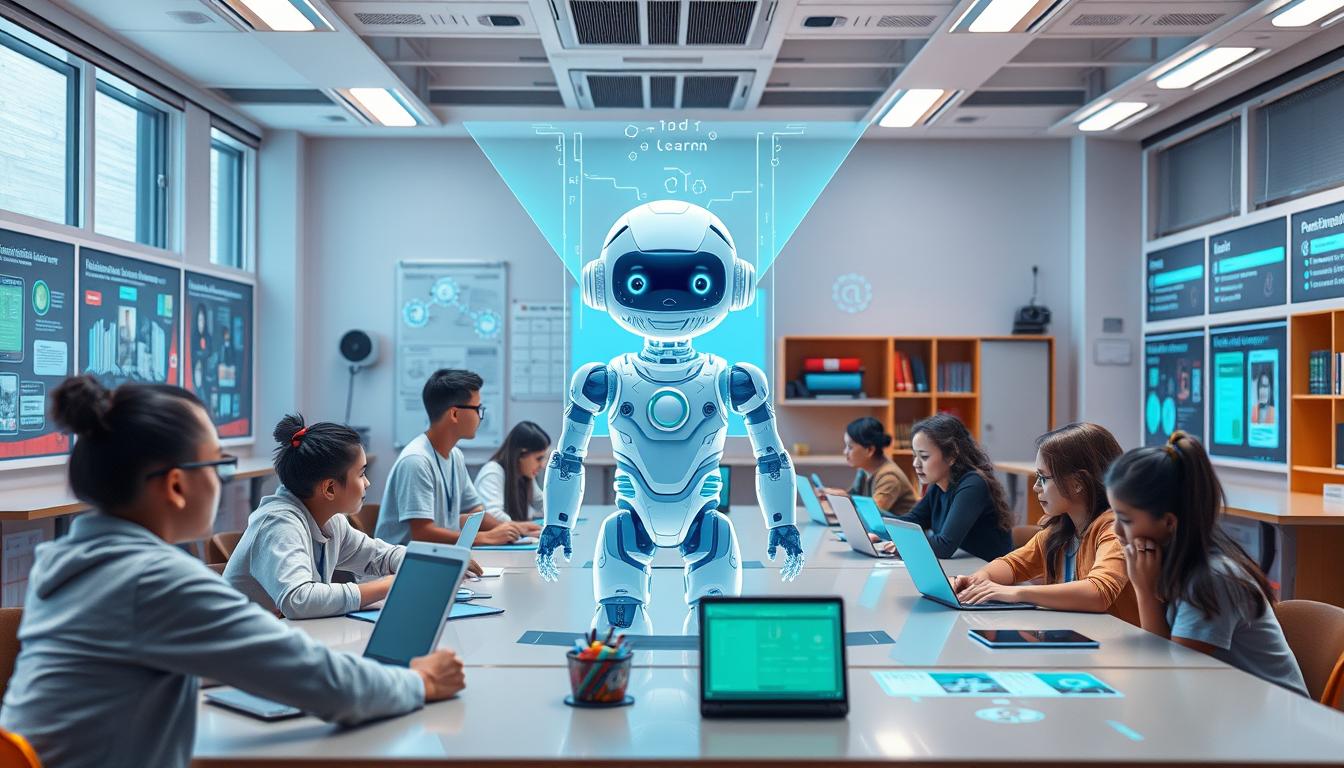
AI Agents in Teaching: Transforming Education for a Brighter Future
Estimated reading time: 6 minutes
Key Takeaways
- AI agents in teaching are reshaping how education is delivered and experienced.
- Different types of AI agents include chatbots and virtual tutors that enhance learning efficiency.
- AI in education leads to personalized learning experiences tailored to individual needs.
- Data analytics from AI tools can provide valuable insights into student performance.
- While promising, the adoption of AI in education faces challenges regarding privacy and ethics.
Table of contents
- What are AI Agents in Teaching?
- The Role of AI in Education
- Personalized Learning through AI Agents
- Adaptive Tools and Technologies
- Data-Driven Insights for Educators
- Case Studies/Success Stories
- Challenges and Considerations
- The Future of AI in Education
- Conclusion
- Call-to-Action
- Frequently Asked Questions
In recent years, AI agents in teaching have emerged as a powerful force in education. These intelligent systems are changing how students learn and how teachers educate. With the rapid advancements in technology, AI in education is becoming increasingly vital, promising to revolutionize learning experiences across the globe.
What are AI Agents in Teaching?
AI agents in education refer to sophisticated systems designed to support various educational needs. These systems utilize algorithms to interact intelligently with both students and educators, fostering a more engaging learning environment.
Types of AI Agents
Several types of AI agents are prominently used in teaching:
- Chatbots: Automated systems that respond to student inquiries and manage administrative tasks. They can assist with answering common questions, providing immediate support, and freeing up educators to focus on teaching. Learn more about AI agents and their impact on collaboration and productivity.
- Virtual Tutors: AI programs that deliver personalized guidance and feedback based on students’ learning paths. These systems assess student performance and adapt to individual learning styles, ensuring that each learner receives the support they need.
By utilizing these AI agents, educators can enhance their teaching methodologies, leading to improved outcomes for students. For more information about AI agents, visit Educational Technology.
The Role of AI in Education
AI in education encompasses a wide range of technologies aimed at improving teaching and learning techniques. It serves as an umbrella term for various advancements that seek to elevate educational experiences. Explore how AI agents are revolutionizing business automation.
Enhancements in Educational Experience
- Automating Administrative Duties: AI tools can help manage grading, attendance, and curriculum design, allowing educators to concentrate more on student interaction.
- Creating Engaging Learning Environments: AI technologies can foster adaptive learning settings that cater to the unique needs of each student. This creates a more personalized culture that encourages exploration and growth.
Discover more about the role of AI in education at Edutopia.
Personalized Learning through AI Agents
Personalized learning has become a cornerstone of modern education, and AI agents play a crucial role in facilitating these experiences. They adjust educational content to meet the specific needs of individual students, making learning more relevant and engaging. For insights on AI in education and how it’s transforming educational practices, check out this resource.
Examples of Adaptive Learning Tools
- Knewton: This platform utilizes adaptive learning algorithms to personalize educational content for students, ensuring they master concepts at their own pace.
- DreamBox: An interactive math program that assesses student performance in real time and adjusts the difficulty of questions based on their capabilities.
These adaptive tools not only cater to diverse learning styles but also promote student success by meeting them where they are. More information on personalized learning can be found at Education Week.
Adaptive Tools and Technologies
Adaptive tools and technologies integrated into education represent the next frontier in teaching methods. Here are some specific examples:
- Intelligent Tutoring Systems: These systems offer real-time feedback, guiding students through complex topics with adaptive questioning strategies.
- Learning Management Systems (LMS): Many LMS platforms now feature AI capabilities that enhance course navigation and delivery, making it easier for educators and students to engage with course materials.
Benefits
- Real-Time Quizzes: These allow students to demonstrate their understanding immediately, giving teachers the data required to adjust lessons.
- Progress Tracking: AI’s ability to track student engagement and performance provides valuable insights for educators, allowing them to tailor their approach effectively.
For further details on adaptive tools in education, refer to Harvard Business Review.
Data-Driven Insights for Educators
Another significant advantage of AI in education is the ability to harness data-driven insights. With the help of AI agents, educators can gain a deeper understanding of student performance, preferences, and engagement. Learn about AI agents and their effectiveness in enhancing workplace productivity.
Importance of Data Analytics
- Identifying At-Risk Students: AI can analyze patterns in student behavior and performance, enabling educators to intervene early with support.
- Measuring Instructional Effectiveness: By studying data insights from AI agents, teachers can evaluate which teaching strategies work best and make informed decisions to enhance student learning outcomes.
To explore the impact of data-driven insights, check out K-12 Tech Decision Maker.
Case Studies/Success Stories
Real-world examples of schools utilizing AI agents in teaching showcase the tangible benefits of these technologies.
- Example 1: A school integrated AI chatbots to provide homework help, leading to improved student engagement and a notable increase in homework completion rates.
- Example 2: A college adopted AI tutors for STEM subjects, resulting in a significant rise in student grades due to the personalized assistance provided to struggling learners. Discover transformational insights on AI Agents that enhance workflow automation.
These success stories highlight the potential of AI agents to enhance educational experiences. Read more about success stories in AI and education from EdSurge.
Challenges and Considerations
Despite the promising applications of AI agents in teaching, several challenges must be addressed.
Potential Challenges
- Data Privacy Concerns: With the increase in data collection comes the responsibility to protect student information from breaches and misuse.
- Ethical Implications of AI Usage: There are ethical considerations surrounding automated decisions and the necessity of ensuring that AI systems do not reinforce biases.
- Human Oversight Necessity: A critical aspect of education is human interaction. While AI agents provide valuable support, the emotional and social needs of students still require human intervention to foster well-rounded development.
Learn more about the challenges associated with AI in education on Inside Higher Ed.
The Future of AI in Education
The landscape of AI agents in teaching is evolving rapidly. Speculations about the future point towards exciting advancements.
Trends in AI for Education
- Advancements in Natural Language Processing (NLP): Future AI interactions will become more intuitive, providing personalized responses and fostering deeper engagement between students and AI agents.
- Growth of AI-Assisted Personalized Curriculums: This trend suggests a shift towards fully customized learning experiences that adapt continually based on student feedback and performance.
Such advancements will play a crucial role in enhancing learning environments and promoting educational equity. Explore potential futures of AI in education at World Economic Forum.
Conclusion
In summary, AI agents in teaching are transforming how students learn and educators teach. These intelligent systems have the potential to personalize learning experiences and enhance educational efficiency. As we continue to embrace AI technologies, the educational landscape can only improve, nurturing a brighter future for students.
Call-to-Action
We invite you to explore AI resources and tools to enhance your educational practices. What has been your experience with AI in education? Please share your thoughts and suggestions for integrating AI agents into teaching in the comments below.
For additional resources, you can visit AI Learning Platforms.
Frequently Asked Questions
1. How do AI agents improve personalized learning?
AI agents analyze individual learning data and tailor educational content to meet each student’s unique needs.
2. What are the main challenges of using AI in education?
Challenges include data privacy concerns, ethical implications, and the need for human oversight.
3. Will AI replace teachers in the future?
While AI can assist in educational tasks, the human element of teaching is irreplaceable.